Sustainability Intelligence - Building a Trustworthy Scope 3 Ecosystem at Scale
Systems Thinking & Product Ecosystems- Designing a system that helps corporates and suppliers measure, reuse, and report emissions with confidence.
SUPPLY CHAIN EMISSIONSSCOPE 3SUPPLIER MANAGEMENTRESEARCH
ROLE : PRODUCT MANAGER | UX RESEARCH LEAD
11/12/20253 min read
Sus-Intel is LSEG’s sustainability intelligence platform that helps corporates measure, manage, and report carbon emissions across their value chains - driving transparency, compliance, and data-driven climate action.
Project Overview
I led the end-to-end product development and experience design of the Scope 3 Ecosystem - a complete re-architecture of how corporates estimate supply-chain emissions, engage suppliers, reuse reported data, and align everything to disclosure-ready reporting periods.
What started as disconnected tools became a persistent, traceable, multi-entity system used by thousands of suppliers and hundreds of corporates across APAC.
Scope 3 Emissions : Scope 3 represents the emissions a company doesn’t directly control but is responsible for across its supply chain — often 70–90% of total emissions.
The Solution
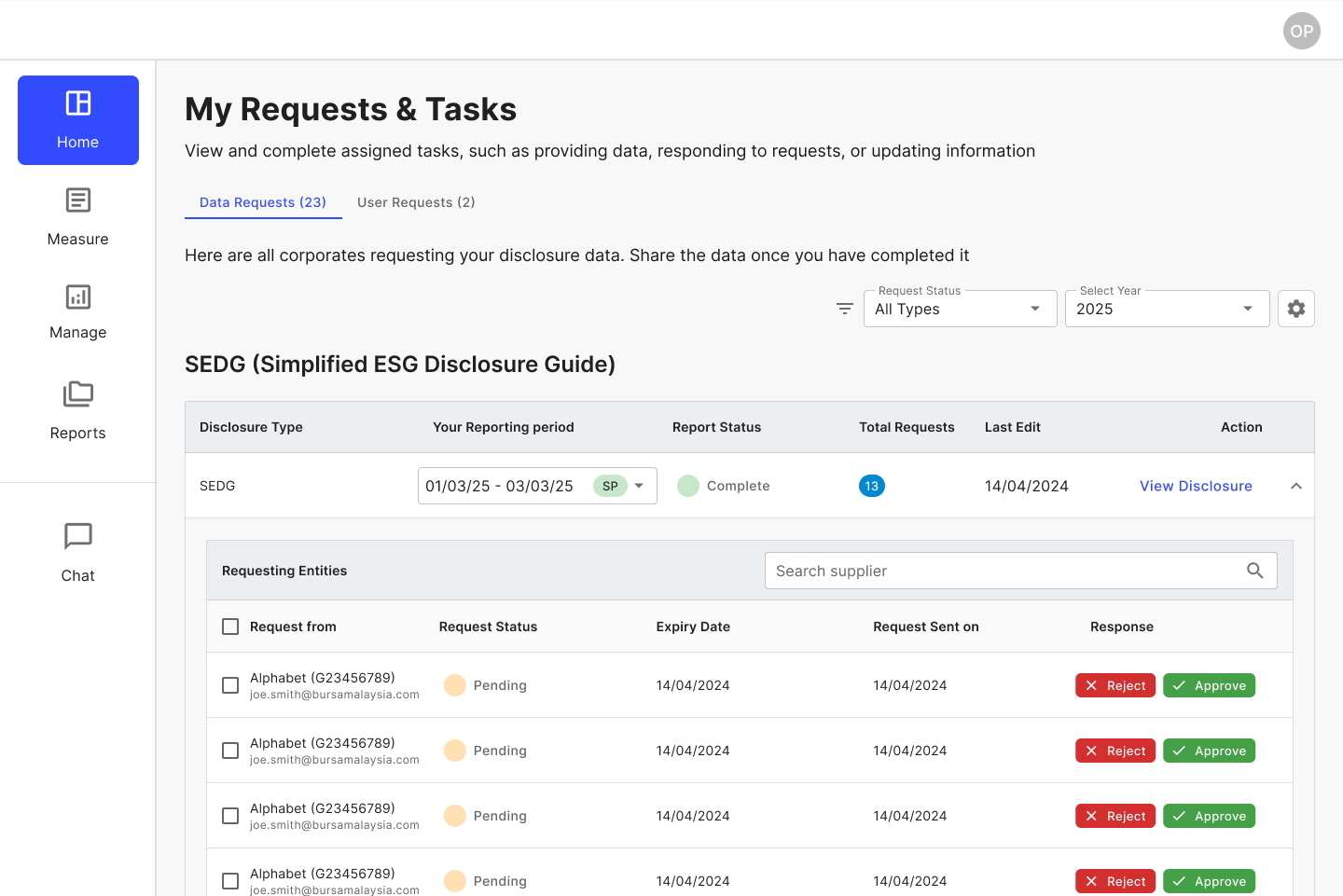
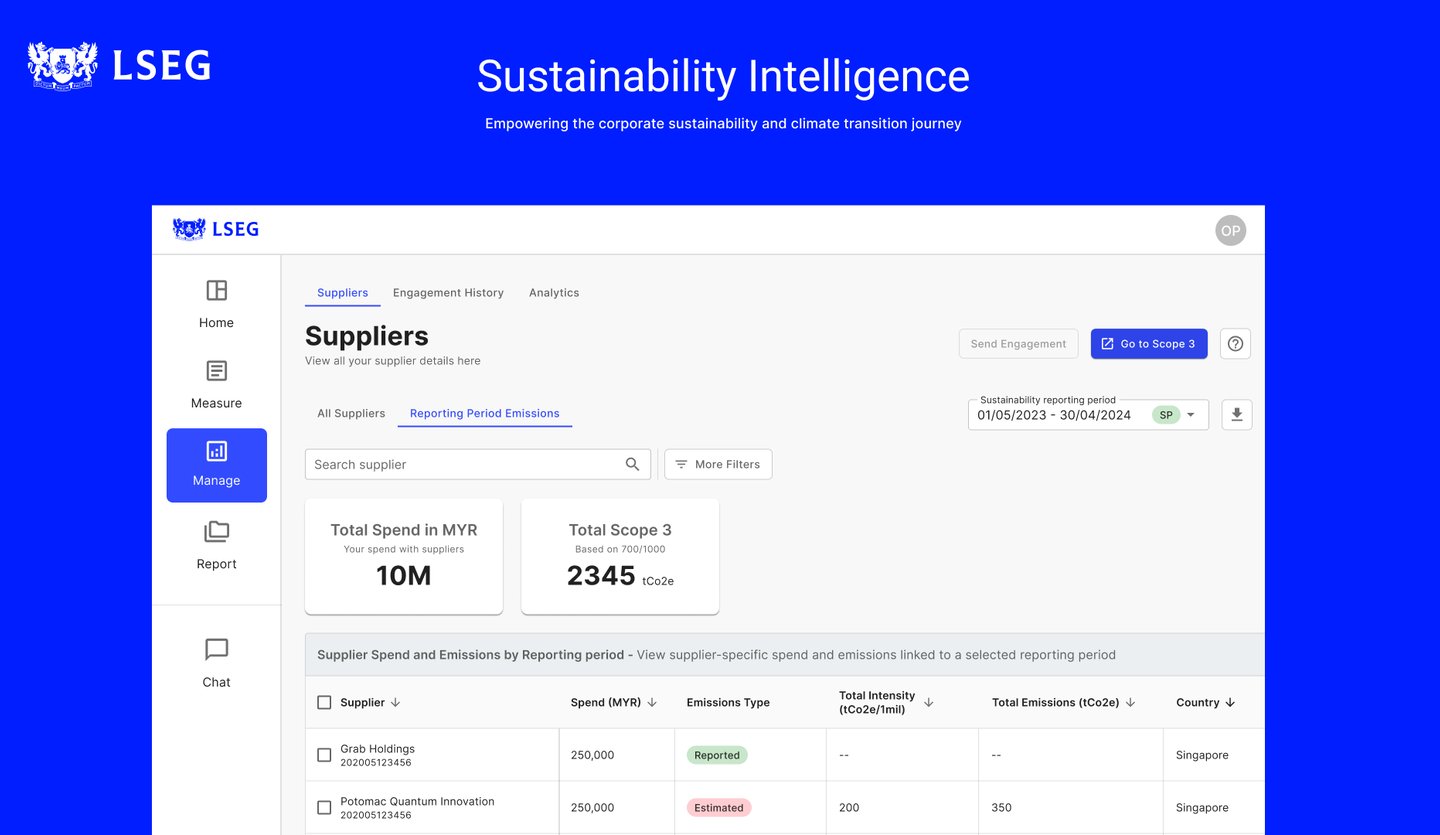
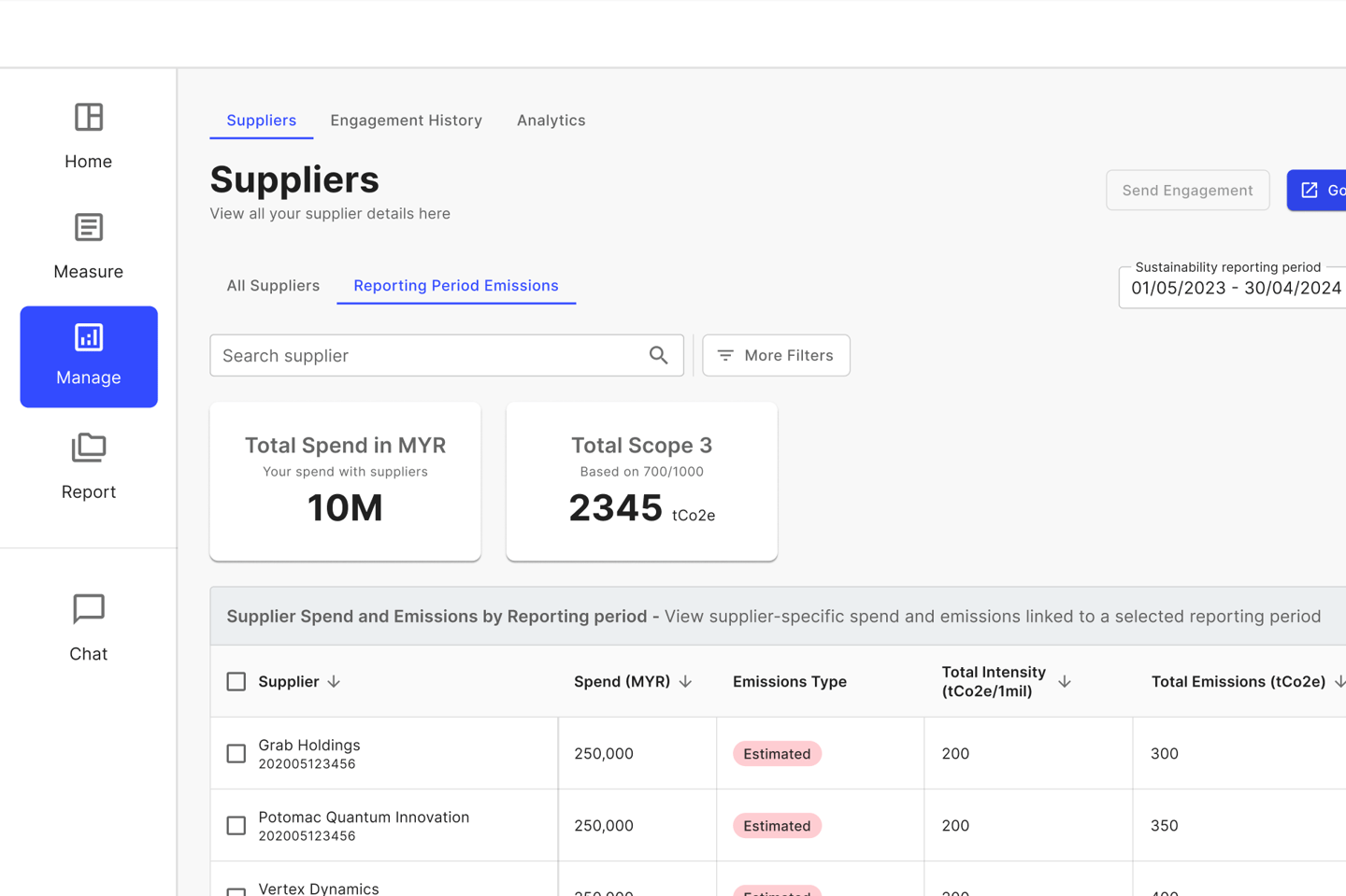
1. Reporting Periods (RP) : A platform-wide anchor that ties all emissions, engagements, and calculations to the right disclosure cycle - enabling multi-year analytics and regulatory reporting.
2. Continuous Scope 3 Estimation : Removed re-upload cycles.
Corporates can now carry forward suppliers, update only what changed, and maintain continuity between cycles.
3. Connected Supplier Engagement : Engagements now directly link back to supplier profiles, their estimation history, and past reported data — eliminating duplication and giving corporates a 360° view.
4. Central Supplier Record : A persistent database storing:
supplier identity
emissions history
engagement timeline
shared data
lineage
authoritative sources
This unlocked reuse and data integrity across the system.
5. Multi-Corporate Data Sharing : Suppliers can share previously reported emissions with any corporate they work with - reducing survey fatigue and boosting data quality.
The Problem
Scope 3 typically represents 70–90% of a company’s total emissions.
Yet it’s also the least standardised, most data-fragmented, and most supplier-dependent layer of climate reporting.
The previous platform made this worse:
No reporting periods, so emissions couldn’t be tied to any year or disclosure cycle.
Scope 3 estimation had to start from scratch every time with full supplier re-uploads.
Supplier engagement was disconnected from supplier profiles, estimates, and reporting.
No central supplier database — data couldn’t be reused or tracked across engagements.
Reported data couldn’t flow into analytics or be shared across corporates.
Suppliers received duplicate survey requests with no visibility or reuse of past submissions.
The Core Product Question
"How might we build a connected platform that enables corporates to seamlessly estimate, collect, and report Scope 3 emissions - aligning supplier and emissions data to reporting periods — so they can meet sustainability reporting requirements with accuracy, traceability, and trust?"
My Role
Product Manager:
Supplier Management • Data Sharing • Reporting Periods • Settings
UX Lead:
Unified flows across estimation, engagement, reporting, and data models.
Cross-functional leadership:
Partnered with 2 PMs, 2 data architects, and 3 engineering squads (APAC & EU) to align object models, backend rules, user journeys, and delivery.
Impact
0 → 1 platform build in Year 1 -launched core Scope 3 capability from concept to production.
318% YoY adoption growth — scaled from 184 → 900+ corporates within 12 months.
Post-revamp engagement lift from ~60 → 200+ active corporates, sustaining 72.9% activation across 180+ organisations.
Laid the ecosystem foundation for new revenue streams, enabling modular add-ons for estimation, supplier management & benchmarking.
Designed compliance-ready architectures aligned with regional disclosure frameworks — built for auditability, comparability & scale.
Improved onboarding flows → faster time-to-value for suppliers & corporates, accelerating activation across user segments.
Partner-driven scale model enabled exchanges/institutions to onboard 1,000+ corporates with a single integration.
Embedded go-to-market adoption with Sales & Exchanges — workshops, demos, onboarding collateral → rapid market penetration.
The Hidden Complexity I Solved
Beyond building features, this project required designing the logic that makes a Scope 3 platform work:
1. A persistent multi-cycle data model I defined how suppliers, engagements, estimates, reported data, and reporting periods relate across years - building a system that remembers, compares, and evolves with each new submission.
2. Data lineage & traceability
Rules for:
what counts as “authoritative”
when reported data overrides estimates
how to handle partial data
how shared data persists across corporates
This became the backbone of trust.
3. Multi-channel user journeys
Mapped touchpoints across:
corporate internal workflows
supplier external workflows
invitations
reporting cycles
data sharing
analytics
resubmissions
Every journey had to work independently and connect seamlessly upstream and downstream.
4. Governance logic
Designed the states and transitions for:
suppliers across engagements
estimates across reporting periods
outdated emissions
resubmission flows
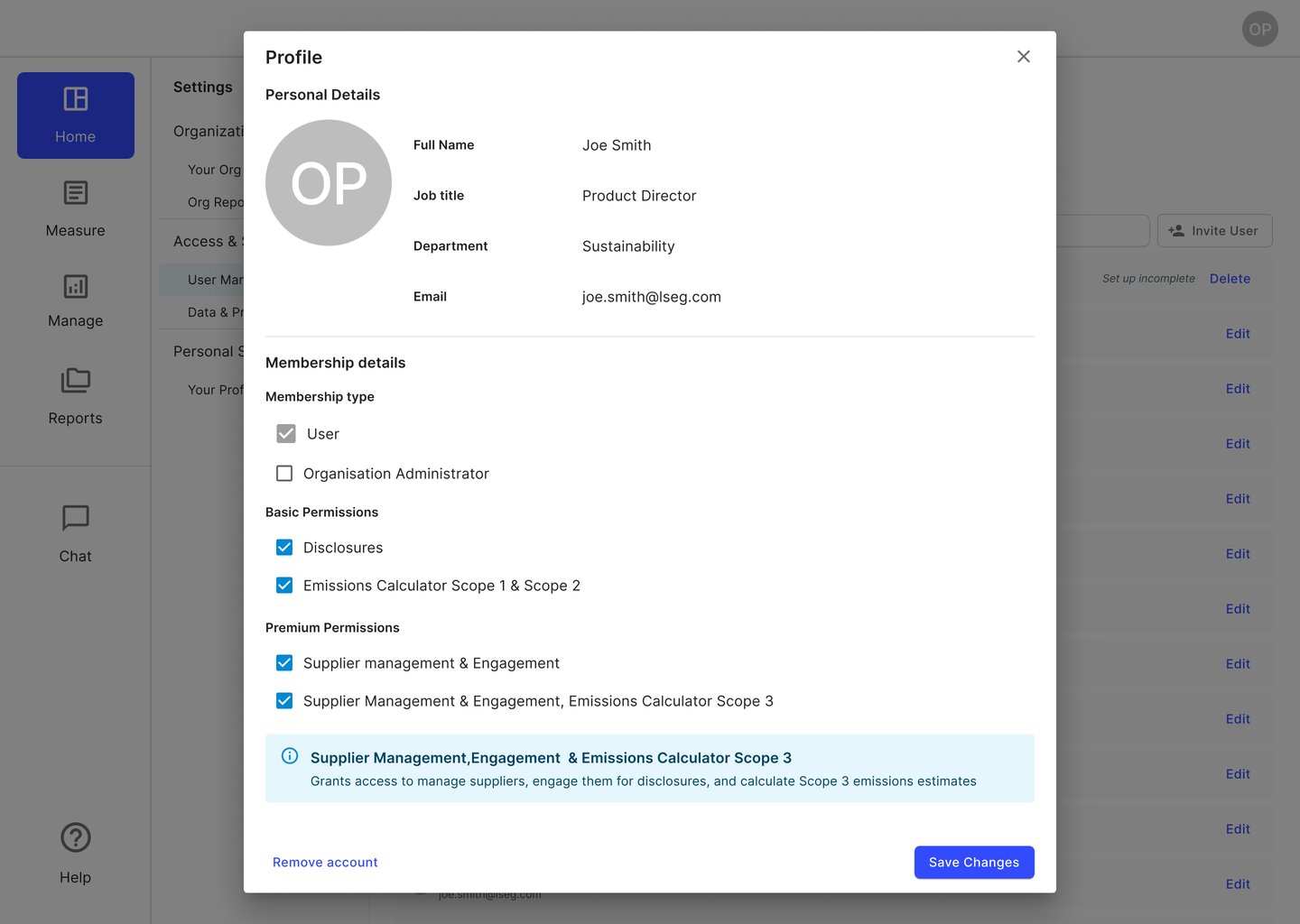
cross-corporate data sharing permissions
These constraints were critical for compliance readiness.
5. Platform orchestration
Structured how modules talk to each other:
Emissions Calculator → Supplier Management & Engagement → Reporting
This unified the product for the first time.
MVP Highlights
Centralized supplier database
Engagement module with configurable assessments
Supplier account creation with secure sharing
Combined “Estimated vs Reported” emissions views
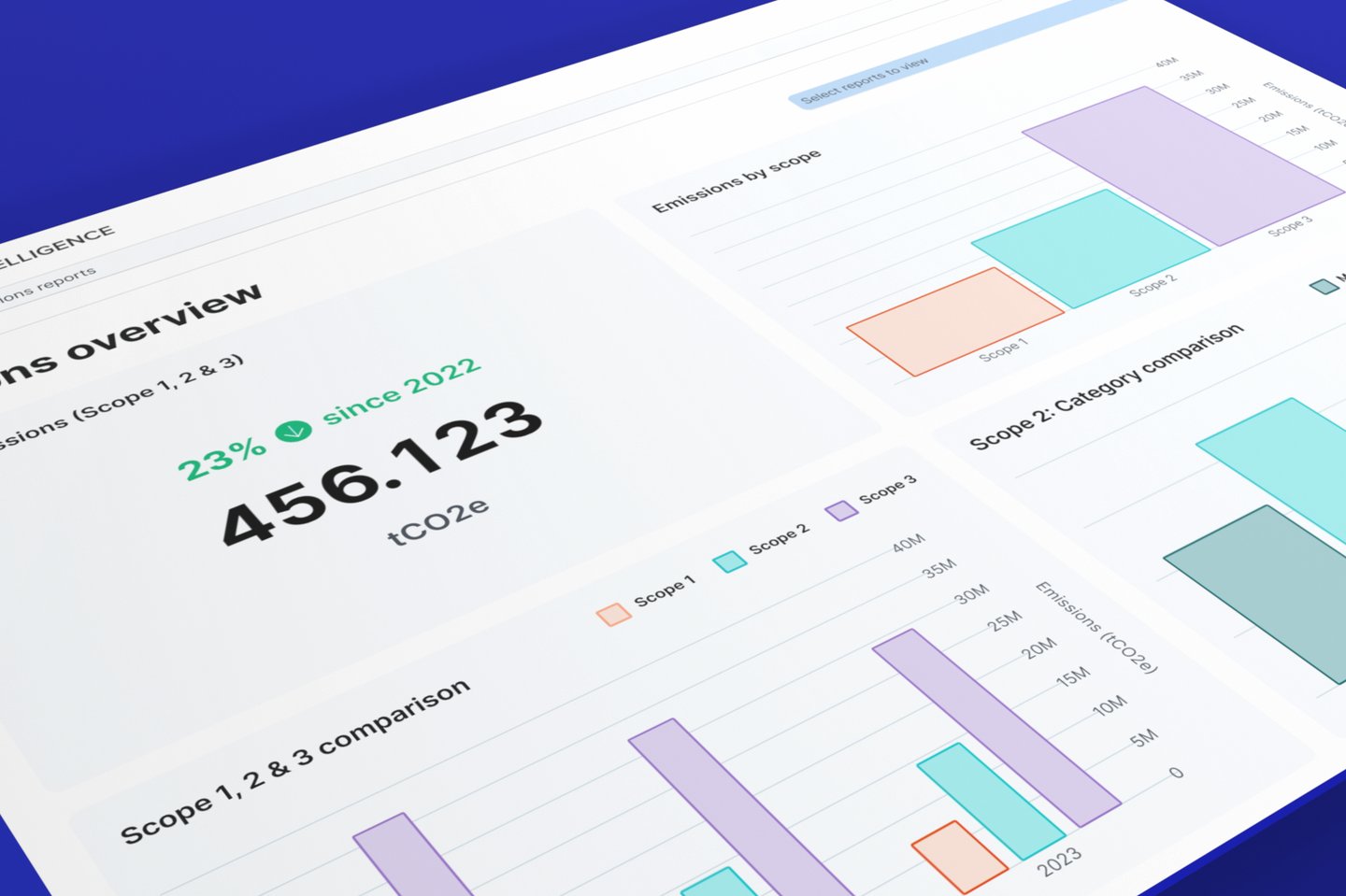
Activation & completeness analytics
Multi-year RP-linked emissions dashboard